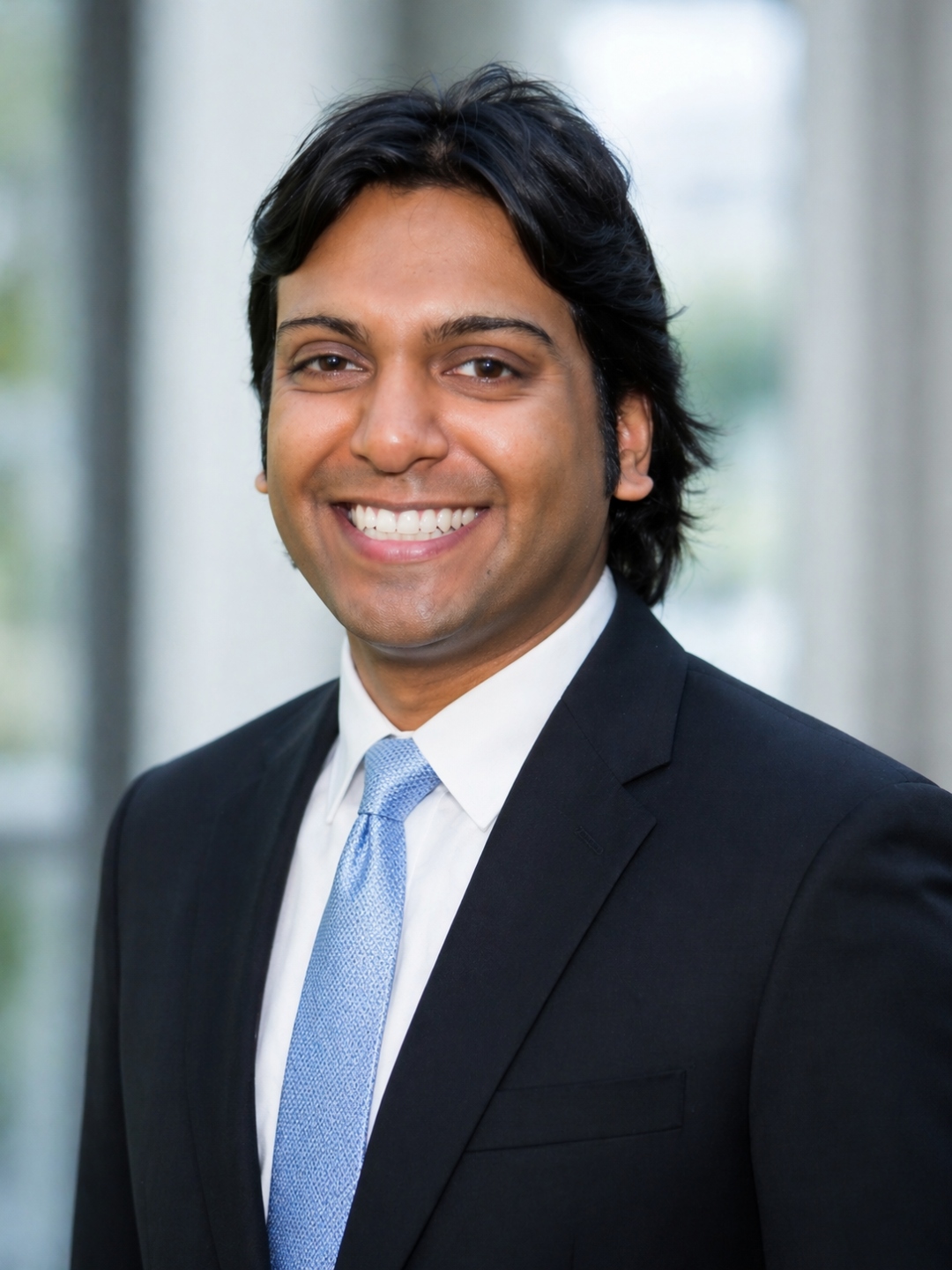
Kaushik Patel · PhD, EMBA · Seattle
The hardest part of AI isn't building it.
It's getting humans to trust it enough to use it.
I've spent 15 years solving that problem.
The story
Find it in the data · Prove the fix before asking permission · Build what makes going back impossible
The Journey
First lesson in building against resistance. Identified an opportunity in academic research partnerships that both sales and R&D actively opposed — territory, budget, and strategic disagreement simultaneously. Built the case, won the fight, launched the program.
Shipped
Learned that in highly technical markets, credibility isn't claimed — it's demonstrated. Without the ability to speak the language of the scientists I was selling to, none of the conversations would have happened. With it, I could get to the real problem fast and position solutions that actually fit.
Shipped
Started on the technical side — deploying Enablon's enterprise EHS platform across Fortune 500 organizations and learning to make complex safety technology accessible to frontline workers in loud environments, across language barriers and cultural differences. Then moved to Customer Success, where I learned the deeper lesson: workers afraid of surveillance won't use your platform no matter how good it is. I put them in the room to co-design it. That shift — from something done to workers to something built with them — changed adoption entirely. Also rewrote the go-to-market by shifting from IT buyers to operations and safety leaders who actually owned the problem.
Shipped
AWS sales teams were product-pitching instead of solution-selling. I built the ML platform that changed that. The hardest problem wasn't the collaborative filtering model. It was getting sales reps to trust AI recommendations enough to act on them. I solved that first.
Shipped
Customer trust in Alexa Smart Home was eroding. Nobody had formally identified it as a product problem. I pulled support ticket data that wasn't mine to ignore, connected the dots before anyone flagged it, and brought the diagnosis to leadership before I was asked to look. The root cause was third-party device quality. The fix was a certification program I invented from scratch.
Shipped
Amazon had 1M+ workers and a patchwork of safety systems that couldn't serve our scale. I ran the build-vs-buy analysis, convinced VP leadership no vendor could do what we needed, and became the founding PM of AUSTIN — Amazon's own global EHS platform. Then I built the IoT sensor portfolio that fed it signal. A preventable injury happened before the platform was ready. That's when this stopped being a job.
Shipped
Amazon's fulfillment network had rising injury rates and no scalable detection system. I didn't write a proposal. I bought a $30 Arduino, modified it myself, and showed up to the first stakeholder meeting with a working prototype. The first facility pilot exceeded our injury reduction projections in both speed and effect size. We expanded before the 90-day window closed.
Shipped
The challenge at JPMC isn't building AI. It's shipping it through the most demanding regulatory environment in the world, at a scale where a bad decision touches 85M customers. I translated Amazon's customer obsession into a $4T bank — and made compliance the accelerant, not the brake.
Shipped
Three Defining Moments
At Alexa, customer trust was eroding in data I had no mandate to investigate. I pulled it anyway, connected the dots, diagnosed third-party device quality as the root cause, and walked into leadership with a solution before anyone knew there was a problem.
"Works With Alexa" — invented from a data anomaly I wasn't supposed to be looking at.
When Amazon's injury rates were rising, the path was obvious: write a proposal, commission a vendor assessment, wait for approval. Instead I bought a $30 Arduino and showed up to the first meeting with a working sensor. Thirteen months later it was a $120M platform.
$30 → $120M. The prototype was mine. The platform that followed was the team's.
At AWS, ML models don't matter if sales reps won't trust them. At Amazon, wellbeing tech doesn't work if workers think it's surveillance. At JPMC, AI can't ship if compliance is treated as a blocker. In every case, I solved the human problem first. The technology came after.
The pattern across 15 years: trust is the product. Everything else is the mechanism.
Right Now
Day job
At JPMorgan Chase, I lead AI/ML product development from the office of the CTO — shipping LLM capabilities to 85M customers inside the most compliance-heavy institution in the world. Six capabilities shipped in 2024. The goal: prove regulatory compliance can be the accelerant, not the brake.
Building
I'm independently building Calm Family, an AI-powered app to support families in their hardest moments. Full-stack: Next.js, Supabase, Vercel, Claude API. Live at 360-family.vercel.app. Because the best PMs ship things outside their day job too.
I'd like to hear about it. Not a pitch — just a conversation. The problems worth working on usually find each other that way.